
COOKING FOR TWO: 1-pan salmon dish with peas, orange and fennel - Northwest Arkansas Democrat-Gazette |
- COOKING FOR TWO: 1-pan salmon dish with peas, orange and fennel - Northwest Arkansas Democrat-Gazette
- Home show returns, with cooking demo, take-home kids' projects - PostBulletin.com
- Different Cooking Oils and Their Health Benefits - Integris
- Harvest Hope Park's free cooking class teaches kids to love and cook their own veggies - ABC Action News
- MN woman cooking maple syrup starts grass fire - TwinCities.com-Pioneer Press
|
Posted: 07 Apr 2021 12:51 AM PDT 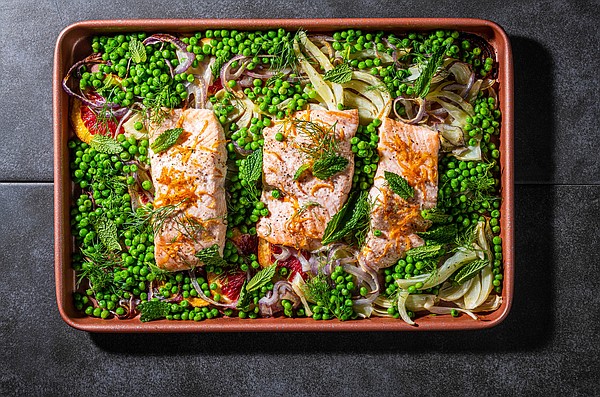 Early in my culinary career, while I was still in college and working as a pantry cook at a restaurant in Upstate New York, I was tasked with making a salad of sliced oranges, shaved fennel and peppery red onions, dressed lightly with olive oil, orange juice and lots of black pepper. That flavor combination was entirely novel to me, and I fell in love with the bewitching play of taste and texture: the anise-y crunch of the fennel, the sweet tenderness of the orange and the mild heat and bite of the onion. It was surprising and refreshing and I have made it many, many times since for clients when I worked as a private chef and, until the pandemic hit last year, guests I invited over for a meal. I've served it in the early winter and spring; for lunch and dinner with lamb, all kinds of fish and chicken. Sometimes I supreme the oranges if I am feeling fancy; sometimes I quarter and sear the fennel in a pan to soften it instead of shaving it. I've added chickpeas and goat cheese coins, coriander croutons and green olive tapenade. I've served it with oil-packed tuna and pita, spring pea risotto, and Caprese sandwiches on pillowy focaccia. But until recently, I'd never roasted it. One cool morning, I had a craving for those flavors but wanted something warm, too. That's how the idea for this dish was born. The oven's heat sweetens the fennel and onion and caramelizes the sugars in the oranges, adding another dimension to my all-star trio. With winter citrus on its way out and fennel just sprouting from the ground, it's a dish I think of as easing us from one season into the next very, very gently. Make this recipe tonight, or save it for this weekend. Start by roasting sliced oranges, red onion and chopped fennel on a sheet pan. Rest salmon filets, seasoned with salt, pepper and orange zest, on top, and return the pan to the oven to cook the salmon. (If you like your salmon well-done, roast the vegetables and fish together from the start.) A few minutes before the fish is done, pour on a bag of frozen or fresh spring peas, and return the pan to the oven. A few minutes later, once the peas turn bright green, the dish is done. Sprinkle it with torn mint and serve. For a vegetarian option, consider substituting thick slices of tofu for the salmon, adding a splash of soy sauce for a salty boost. Or roast the fennel, oranges and red onions and toss in a can of drained gigante beans before adding the peas. Season with lots of extra orange zest, juice, olive oil, flaky salt and mint. Sheet Pan Salmon With Minty Peas, Oranges and Fennel
Position a rack in the middle of the oven and heat to 450 degrees. Cut the orange in half through its equator and, using a microplane or fine grater, zest one half. Set the zest and naked orange half aside. Slice the other orange half into thin rounds or half-moons. On a large, rimmed baking sheet, using your hands, gently toss the orange slices, fennel, red onion, olive oil and ¼ teaspoon of the salt. Spread the vegetables evenly on the baking sheet and roast for 10 to 12 minutes, or until the oranges and onions start to caramelize. Remove from the oven and, using tongs, redistribute them so they can continue to cook evenly. While the vegetables are roasting, rub the salmon with the orange zest, the remaining salt and the pepper. After the vegetables are cooked, lay the seasoned salmon in the center of the pan atop the vegetables. Roast for an additional 8 minutes, or until the salmon is pale and the oranges, fennel and red onions have started to crisp. Remove the pan from the oven and pour the frozen peas around the salmon, breaking up any large chunks of peas. Roast for another 4 or 5 minutes, or until the peas are warmed through. Remove from the oven, drizzle with more olive oil, if desired, squeeze the remaining orange half over everything, and tear the mint leaves and fennel fronds over the peas. Serve the salmon with the roasted vegetables and peas on the side. Makes 2 or 3 servings.  |
|
Home show returns, with cooking demo, take-home kids' projects - PostBulletin.com Posted: 06 Apr 2021 10:13 PM PDT It's been a long time coming — after a non-starter February event, the RAB was just waiting for Gov. Tim Walz to allow limited-capacity indoor events again, said Executive Director John Eischen. Related: Builders' home showcase and remodelers' tour offer a look at latest trends After the event was green-lit, the only hurdle was putting safety regulations in place, like 9-foot-wide walkways, one-way traffic, and capacity limits. The housing industry is well used to safety regulations.  "We work with OSHA regulations and code and job-site safety every day," Eischen said. "And this is just another job site that we need to manage the safety. So it's what we do."  John Eischen Attendees and exhibitors will undergo temperature checks at the entrance of the Civic Center, and are required to wear masks while inside. Admission is free — Eischen didn't want the cost to bar attendees from going. But aside from that, not much has changed about the annual get-together of exhibitors and vendors. Friday is still "date night," featuring a cooking demonstration with Shari Mukherjee of "MasterChef" fame. On Saturday and Sunday, exhibitors will offer free 30-minute seminars, which will also be available to watch virtually.  Shari Mukherjee, of Rochester, appeared on the Fox reality cooking competition "MasterChef" in 2019. (Greg Gayne / Fox) Check out Resource Way, full of green-curtained exhibitors whose products and services are sustainable, energy-efficient, or otherwise related to green construction. And on Family Fun Day (Sunday), 250 children ages 10 and younger can take home a bag with "everything but the hammer" needed to build a wooden toolbox. The RAB tries to promote the construction industry as a great career path early, Eischen said. This year, to keep the event safe, the building activity will be take-home only. "We don't want to have people sitting on a table, you know, pounding the nails together, which is really part of the fun for us," he said. "But they can take that home and spend some quality time with mom and dad using a hammer, and put some together and build something that they'll be able to use for years and years." Related: Planning a patio? Rochester contractors offer advice Repeat attendees are sure to see familiar faces along the aisles, he added. "We actually look at the Home Show's responsibility as — we want to make sure that the community knows the people that are going to be working on their homes," Eischen said. "This gives you the opportunity to know all the businesses that are here — not the fly-by-nights that come in to storm chase. So that's one of the reasons we have this home show, is to provide that community resource for local, reputable businesses who do the work here." See more at www.rochesterareabuilders.com, or download the RAB Events app for a seminar schedule. If you goWhat: RAB 2021 Home Show When: 3 to 8 p.m. Friday, 9 a.m. to 6 p.m. Saturday, and 11 a.m. to 4 p.m. Sunday, April 9-11 Where: Mayo Civic Center, 30 Civic Center Drive SE, Rochester Cost: Free  |
|
Different Cooking Oils and Their Health Benefits - Integris Posted: 06 Apr 2021 11:55 AM PDT 04/06/2021  The cooking oils section in your local grocery store seemingly grows by the day. No longer do you have one or two options to choose from to whip up a weeknight meal. While the expansive cooking oil selection is nice to have, it can also create some confusion. Knowing which oils are healthy or the best to cook with is the first step, and we're here to help you understand it all. Types of cooking oilsCooking oils contain three types of fat: saturated, monounsaturated and polyunsaturated. Saturated fatsThere's a reason butter or the fat from your pot roast remains in a semi-solid state at room temperature. Fats contain carbon, hydrogen and oxygen, and in the case of saturated fats, they contain many hydrogen atoms bonded together with carbon chains. Cooking oils high in saturated fat remain in a semi-solid state at room temperature, which explains why coconut oil (which contains 92 percent saturated fat) comes in a jar and needs heat to turn into a liquid. Examples of cooking oils high in saturated fats include:
Monounsaturated fatsUnlike saturated fats, monounsaturated fats have fewer hydrogen atoms and have a single carbon bond, also called a double bond. The bond's presence keeps these fats liquid at room temperature and solid when chilled. Examples of cooking oils high in monounsaturated fats include:
Polyunsaturated fatsWhereas monounsaturated fats have one double bond, polyunsaturated fats contain two or more double bonds. Polyunsaturated fats remain a liquid even when chilled. There are two types of polyunsaturated fats: omega-3 fatty acids and omega-6 fatty acids. Omega-3 fatty acids are mostly associated with fatty fish, such as salmon, and flaxseeds. Soybeans, walnuts, sunflower seeds and pumpkin seeds all contain omega-6 fatty acids. Examples of cooking oils high in polyunsaturated fats include:
Which cooking oils are good for your health?As a general rule, choose cooking oils high in monounsaturated or polyunsaturated fats. This is both due to their health benefits and the negative impact saturated fats can have on heart health. Avoid saturated fatsSaturated fats can cause high cholesterol and lead to dangerous blockages that cut off blood supply to important organs such as the heart and brain. This is why unhealthy diets, specifically high amounts of saturated fat, put you at risk for heart attacks and strokes. The American Heart Association recommends eating just 13 grams of saturated fat per day, and they also suggest using oils that have fewer than four grams of saturated fat per tablespoon and are free of hydrogenated oils or trans fats. For example, a tablespoon of butter has eight grams of saturated fat. Stick to monounsaturated and polyunsaturated fatsInstead of cooking with oils high in saturated fats, opt for plant-based vegetable oils, such as avocado or olive. These oils contain high levels of either monounsaturated fats or polyunsaturated fats. When eaten in moderation, monounsaturated and polyunsaturated fats from plants can help lower triglycerides and LDL (bad) cholesterol levels. High levels of blood cholesterol can clog or block arteries in your blood vessels, increasing your stroke and cardiovascular risk. Cooking oils with high levels of monounsaturated and polyunsaturated also provide nutrients needed for cell health. Polyunsaturated fats are essential fatty acids, meaning you need them to function. But, your body doesn't make omega-3 and omega-6 fatty acids on its own, so you must get them from the foods you eat. Polyunsaturated fats help produce hormones that assist with everyday bodily functions such as blood clotting and muscle movement. There are several types of both omega-3 and omega-6 fatty acids, although plant-based cooking oils contain two main types: alpha-linolenic acid (ALA) and linoleic acid (LA). ALA is an omega-3 fatty acid found in vegetable oils, walnut oil and flaxseed oil. LA is an omega-6 fatty acid found in safflower, soybean, sunflower, walnut and corn oils. Best oils to cook withThe American Heart Association considers the following types of cooking oils healthy, meaning they are low in saturated fat and high in either monounsaturated or polyunsaturated fats. Avocado oilWhether it's avocado toast or avocados in your smoothie, this buzzworthy fruit is gaining popularity in just about every area. Avocado oil is now a trendy choice among home cooks for many reasons. It has the highest smoke point of all plant-based oils, provides a rich, buttery flavor and is high in monounsaturated fat (65 percent). Canola oilCanola oil is a neutral-flavored versatile oil to cook with, as you can bake with it or use it to sear a steak. It also is high in monounsaturated fat (62 percent) and low in saturated fat (7 percent). Corn oilCorn oil is a popular oil to fry with due to its neutral flavor, high smoke point and low cost. It is high in polyunsaturated fat (62 percent) and omega-6 fatty acids. Olive oilA versatile oil you can use for both stove top cooking and as a dressing or finishing oil, olive oil is one of the healthiest oils you can cook with. It is high in monounsaturated fat (78 percent), and research shows a half-tablespoon of olive oil a day may help your heart. Extra virgin olive oil has a lower smoke point and isn't ideal for high-heat cooking, although you can use it to sauté or to roast vegetables. Peanut oilPeanut oil is another popular option for high-heat cooking due to its slightly nutty flavor and high smoke point. It contains both monounsaturated (48 percent) and polyunsaturated fat (34 percent). However, it also has the most saturated fat (18 percent) among these recommended oils. Safflower oilThis oil has gained popularity of late due to its combination polyunsaturated fat (75 percent) and versatility — it has a high smoke point but it's also neutral enough to bake with. Sesame oilA common cooking oil found in many Asian recipes, sesame oil has a rich, nutty flavor with nearly equal amounts of monounsaturated fat (44 percent) and polyunsaturated fat (41 percent). Sesame oil is delicate and can turn rancid quicker than other oils, so you should store it in the refrigerator. Soybean oilSoybean oil is a common ingredient in packaged goods, ranging from salad dressings to tortilla chips. While it contains polyunsaturated fat (60 percent) and is high in omega-6 fatty acids, it also has higher amounts of saturated fat (15 percent) than other comparable oils. Sunflower oilLike other seed- or nut-based oils, sunflower oil is neutral-tasting with a slightly nutty flavor. Sunflower oil is high in monounsaturated fat (79 percent) and also contains vitamin E. Using different oils in recipesSince there are many different oils to choose from, we compiled three easy recipes you can try at home to expand your use of olive oil, sesame oil and avocado oil. Olive Oil CakeMost baking recipes call for a neutral oil such as canola or vegetable oil. These oils work well since they don't compete with bold flavors. Sure, olive oil may overpower the taste of brownies or cookies, but it pairs perfectly in this recipe with the brightness of lemon and the subtle sweetness from the sugar. Sesame noodles with chili oilPasta is a staple for a quick and easy weeknight Italian meal. Why not take a detour from the usual spaghetti and meatballs and travel to Asia with this noodle dish? This recipe calls for two types of oil: vegetable oil for the spicy base and toasted sesame oil for the nutty, savory sauce. Note we're using toasted sesame oil, which is stronger than your usual sesame oil. A little goes a long way! Quinoa salad with avocado oil dressingThe next time a recipe calls for a dressing, opt for avocado oil over the traditional olive oil or extra virgin olive oil. In this dish, the rich flavor from the avocado oil contrasts well with the acidic notes from the lemon juice and vinegar. Understanding the smoke point of different oilsWhen cooking at home, have you ever noticed how quickly butter or bacon grease starts to smoke? That's because both fats have a low smoke point, the temperature at which fats begin to oxidize, burn and smoke. As an easy reminder, oils with a high smoke point are best for baking, frying and sautéing since these methods require high heat. Conversely, oils with a low smoke point are better suited for sauces or dressings. you'll often see these oils with a "cold-pressed" label on the packaging. In terms of health benefits, you'll get the most out of oils in their raw, unrefined form. However, these oils are more expensive and, from an economical standpoint, may be best used in dips or sauces where you can enjoy their benefits. Refined oils will have a higher smoke point compared to their unrefined counterparts due to how each is processed. For example, refined safflower and sunflower oils offer high smoke points above 400 degrees, while unrefined versions have a smoke point of less than 300 degrees. Oils with high smoke points
Oils good for sautéing
Oils best used to finish meals
For more food and nutrition tips, visit the On Your Health blog. Subscribe to the INTEGRIS Health On Your Health blogSubscribe for regular emails full of useful and interesting Oklahoma-centric health and wellness info, from the doctors and health experts at INTEGRIS Health. Share this page  |
|
Posted: 07 Apr 2021 02:03 AM PDT 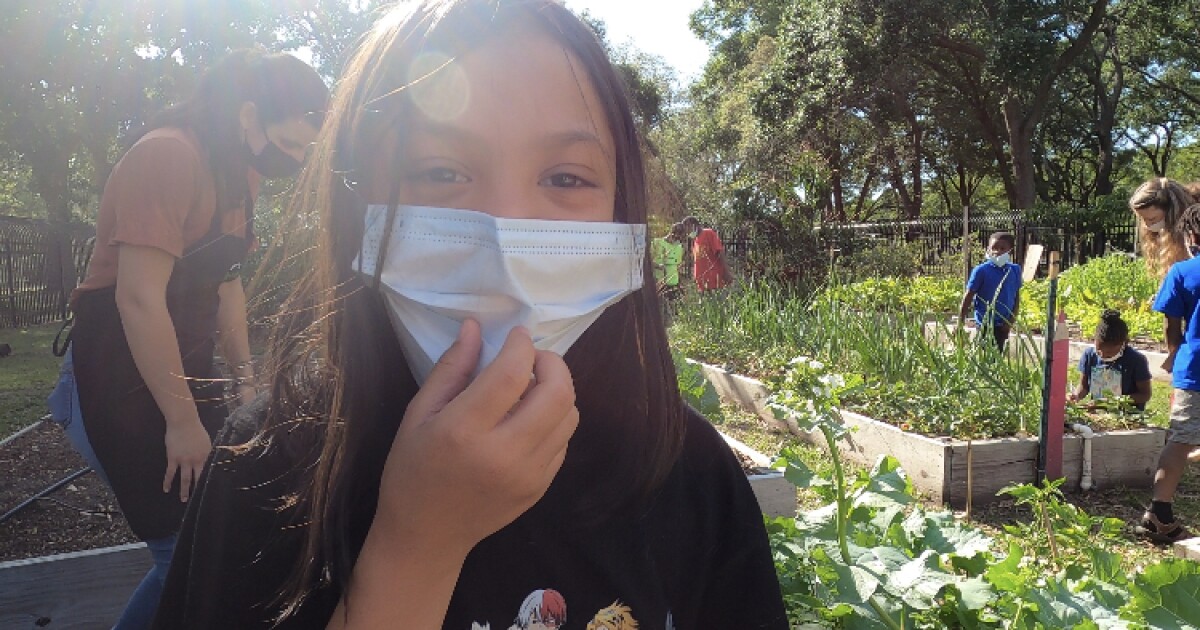 TAMPA, Fla. — Future chef Maiza prefers cheese to vegetables. "I really like cheese," she says. But the 10-year-old's palette could change today at the Harvest Hope Park Community Garden in Tampa's University Area. Thanks to WellFed Community, the University CDC and more, Maiza is getting a free cooking lesson -- salsa, as a matter of fact, made from the ingredients in the robust garden. WellFed's Chef Dhalia is leading the class, which is called "Cooking With 5 Senses." "I want you to use all five senses -- see, touch, taste, smell, hear -- to find all the different stuff in the garden we're going to use for salsa," she says. University Area CDC head Sarah Combs says the program is intended to "get kids excited about eating well" and establishing healthy habits. There's also classes available for adults. Volunteers to the garden can "work" for access to free fruits and vegetables. After the kids gather their vegetables for salsa, Chef Dhalia and others help them prepare it. Maiza gives the finished product a try. "This is really good," she smiles. Better than cheese? She laughs: "Yes!"  |
|
MN woman cooking maple syrup starts grass fire - TwinCities.com-Pioneer Press Posted: 06 Apr 2021 01:08 PM PDT  ALBANY, Minn. — A woman cooking maple syrup over an outdoor fire Saturday near Albany started a grass fire that spread to a neighboring field and swamp. The incident was reported at 12:41 p.m. when a caller said the pasture was on fire, and the flames were moving quickly toward neighboring houses, according to a news release from the Stearns County Sheriff's Office. Kasy Jensen, 41, of Albany, had a fire going in a fire pit while cooking maple syrup and winds caused the fire to spread. She had a water hose nearby but was unable to extinguish the fire, according to the report. Two area fire departments were called to extinguish the blaze and Jensen was issued a citation for burning during a burning ban. No nearby homes were damaged, according to the release.  |


| You are subscribed to email updates from "cooking" - Google News. To stop receiving these emails, you may unsubscribe now. |
Email delivery powered by Google |
| Google, 1600 Amphitheatre Parkway, Mountain View, CA 94043, United States | |
from What to Cook https://ift.tt/3mqIMM0